
Plug-In Solar Panels UK
DIY plug-and-play solar for UK homes. Our planned plug-in solar starter kits are designed for gardens, patios, balconies, sheds and garden offices, with quick setup, no roof installation and launch pricing from £330.
After 20 years in solar, SolarCentre is preparing complete, compliance-checked rigid and semi-flexi kits, ready to launch once final UK rules, product documentation and permitted connection methods are confirmed.
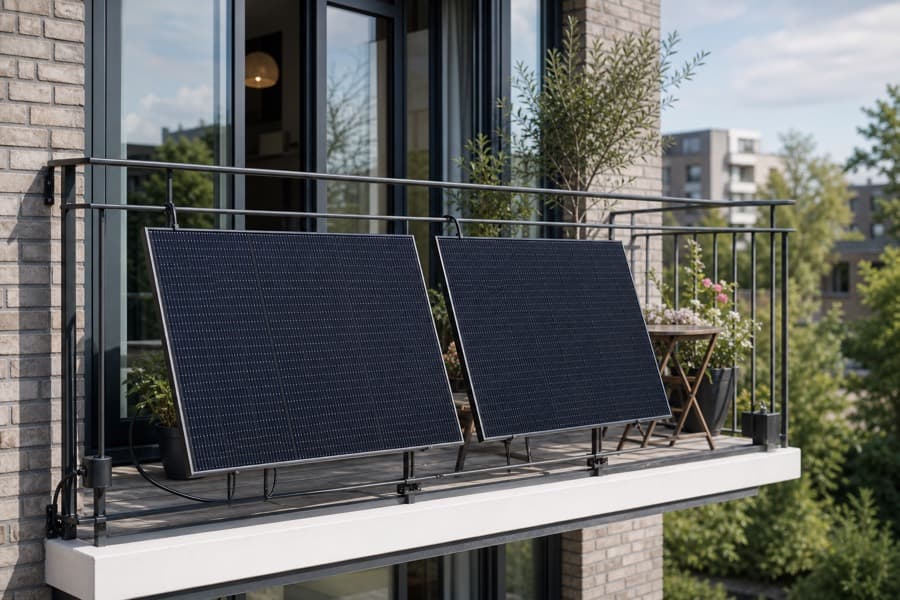
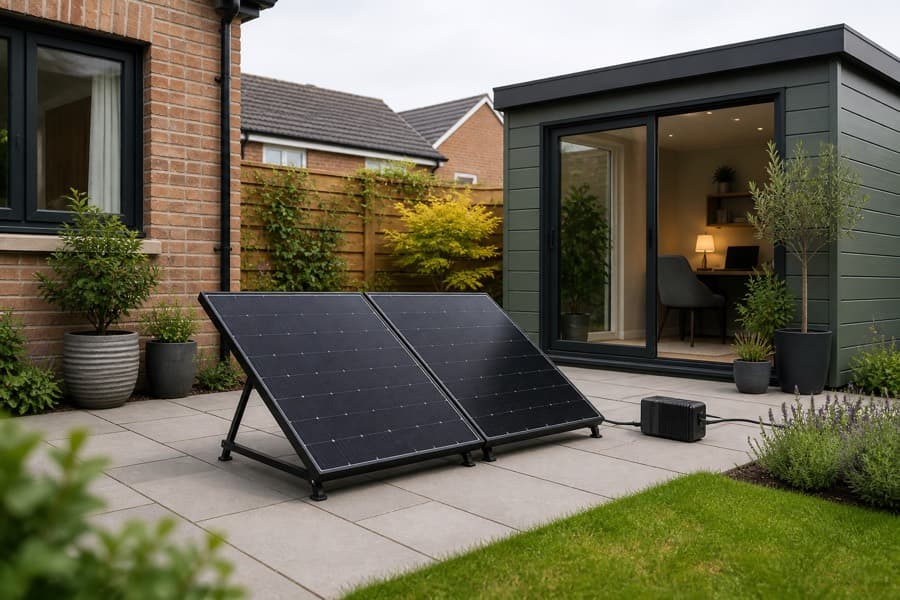
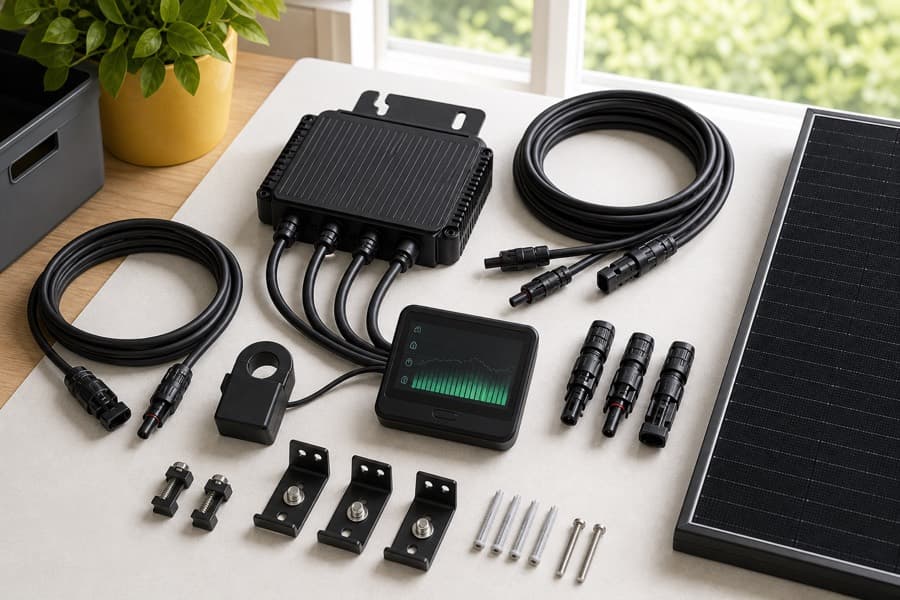
How Plug In Solar Panels work in the UK
Once the final UK rules confirm the safe connection route, a plug-in solar kit is designed to be simple to set up and use in daylight hours.
Sunny spot
Place the panel where it gets the strongest sun around midday.
Microinverter
Connect the solar panels to the supplied microinverter.
3-pin socket
Plug in, where permitted, and your home uses the solar power first.
- Find a sunny spot. Aim for maximum sun around midday and avoid shade where possible.
- Connect the solar panels to the supplied microinverter. The microinverter converts panel output into AC electricity and includes key safety features.
- Plug into the standard 3-pin wall socket and start saving. Where permitted by the final UK rules, your home uses the solar power first during daylight hours.
Choose the right starting point
You may not need a huge system. The best starting point depends on whether you can use a rigid panel in a secure position or need a lighter, less permanent setup.
Rigid 430W panel kit
A basic rigid-panel kit for the strongest single-panel generation where a secure permanent or semi-permanent mount is practical.
- One 430W rigid solar panel
- Microinverter-limited output
- Mounting and cable pack
- Add a second 430W panel from £150 to double panel generation potential
200W semi-flexi kit
A super lightweight panel kit for homes where a permanent setup is difficult or a rigid panel is too heavy and awkward.
- One 200W semi-flexi solar panel
- Panel is around 3 times lighter than the rigid panel
- Microinverter-limited output and cable pack
- 200W panel upgrades from £150
Prices, kit contents and upgrade paths are planned launch positioning and will be confirmed once final UK rules, product documentation and permitted connection methods are clear.
Compare the planned kits
The rigid panel gives more generation for the money. The semi-flexi panel trades output for easier handling when weight or permanence is the problem.
| Feature | Rigid 430W panel kit | 200W semi-flexi kit |
|---|---|---|
| Planned starting price | £330 for the basic kit. | £330 for the basic kit. |
| Panel output | 430W rigid panel. | 200W semi-flexi panel. |
| Upgrade path | Add a second 430W panel from £150 to double panel generation potential. | Add 200W semi-flexi panels from £150 each to increase generation potential. |
| Best fit | Permanent or semi-permanent mounting where wind, fixings and panel weight can be managed. | Less permanent setups where a super lightweight panel is easier to position and handle. |
| Panel weight | Standard rigid panel weight. | Around 3 times lighter than the rigid panel. |
| Generation profile | Highest output of the two starter kits. | Lower output per panel, but useful where a rigid panel would not be practical. |
Panel upgrades increase panel capacity. Microinverter limits, connection method and any maximum permitted output will follow the final UK rules.
Why should you be interested?
If full roof solar feels too expensive, too permanent or simply unsuitable for your home, plug-in solar could give you a smaller way to start generating your own electricity.
Lower daytime bills
Use solar generation first for background loads such as routers, fridges, laptops, chargers and home office equipment.
More homes included
Useful for flats, renters, sheds, garages, patios and homes where a full roof system is not practical.
No hard sell
A smaller, clearer route into solar if you do not want a full system or a pressured sales process.
Storage later
Batteries can help some homes use more of their own solar, but they should be chosen carefully rather than pushed first.
What we are checking before launch
You should be asking about legality, safety, brackets, cables, batteries and real savings. These are the checks we are building into the range.
| Area | What SolarCentre will check |
|---|---|
| Compliance | Exact model documentation, UKCA/CE declarations, G98 or Connect Direct evidence and final permitted UK connection method. |
| Safety | Anti-islanding, safe disconnection, guidance for older consumer units, socket suitability and clear pre-purchase checks. |
| Mounting | Balcony, wall, fence, shed, garage and patio options with practical advice on wind, weight, fixings and cable routing. |
| Savings | Conservative UK estimates by panel position and self-consumption, with no unrealistic claims about weather or payback. |
| Support | Clear setup guides, warranty handling, spare parts, supplier returns and support processes before public sale. |
Common questions
Can I buy a plug-in solar kit now?
We recommend waiting for verified UK-compliant kits. The Government has announced that plug-in solar is coming, but the final product rules and connection details still need to be confirmed.
Will I need an electrician?
The intention is to make small plug-in systems simpler for households. The final rules will decide the safe connection method, and some homes may still need an electrical check.
Will plug-in solar work in the UK?
Yes, but performance depends heavily on where the panels are mounted. South-facing, unshaded panels perform best. Vertical balcony or fence installations can still be useful, but output will be lower than an ideally angled roof or ground frame.
Should I add a battery?
Not automatically. A battery can help if you are out during the day or use cheap overnight tariffs, but it adds cost and complexity. For many homes, battery storage is likely to make more sense as a second-stage upgrade.
Can renters use plug-in solar?
Potentially, but renters should check tenancy agreements, balcony rules, building-management restrictions and safe mounting options before installing anything externally.
Be first to hear when UK-ready kits arrive
SolarCentre is preparing a verified plug-in solar range, backed by 20 years of solar experience. Register your interest for updates on compliance, pricing, launch dates and early offers.
Useful references: UK Government plug-in solar announcement, Electrical Safety First response, IET / BSI Amendment 4.